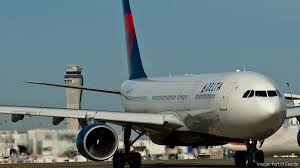
When a long-haul international flight diverts mid-route, it naturally raises questions among passengers and aviation enthusiasts alike. Such incidents are rare, yet they can create ripple effects across airline operations, travel schedules, and public curiosity. The diversion of a Delta flight traveling from Amsterdam (AMS) to Minneapolis–Saint Paul (MSP) became a talking point due to its sudden nature and impact on hundreds of passengers. This article provides an in-depth, comprehensive look at what happened, why diversions occur, how airlines respond, and what travelers need to know when such unexpected situations arise.
Background of the Delta Amsterdam–MSP Route
delta flight amsterdam msp divert to Minneapolis–Saint Paul route is one of the airline’s most significant transatlantic connections. Operated frequently throughout the year, this flight links two major hubs—Amsterdam Schiphol, a central European gateway, and MSP, Delta’s primary Midwest hub. The route typically spans more than 4,000 miles and lasts around nine hours, depending on winds, air traffic, and aircraft type. Most flights on this route use widebody aircraft such as Airbus A330s or Boeing 767s, which are designed for comfort, long-range efficiency, and safety across oceanic airspace.
Given the volume of business travelers, tourists, and connecting passengers using this service, any disruption—especially a diversion—can have notable consequences. A mid-flight diversion can interrupt connecting flights, delay cargo, and require complex re-coordination by Delta’s operations team. Understanding the context of this route helps explain why the incident drew attention and why its resolution was of interest to many.
Details of the Diversion Event
Timeline of the Incident
The diversion began like any routine transatlantic flight. The aircraft left Amsterdam on schedule and climbed smoothly toward cruising altitude. Several hours into the journey, however, onboard systems or operational factors triggered a decision by the flight crew to divert. Such decisions are rarely made lightly; the captain and first officer rely on real-time data, communication with dispatch, and established safety protocols before altering course. The aircraft eventually rerouted to an alternate airport capable of safely handling a widebody jet. This swift shift in direction demonstrated how quickly situations can evolve when safety is prioritized.
Reason Behind the Diversion
While every diversion is unique, common factors include medical emergencies, mechanical warnings, unfavorable weather conditions ahead, or air traffic control requirements. Mechanical-related alerts are among the most frequent causes. Even minor anomalies—such as changes in cabin pressure readings, sensor issues, or engine irregularities—can prompt precautionary diversions. Airlines adopt a “safety first” approach, ensuring no risk is taken when crossing vast, remote stretches like the North Atlantic. In this case, the diversion followed standard procedure, illustrating a well-established aviation safety culture.
Passenger and Crew Experience
Passengers often experience a mix of confusion and curiosity during diversions. The crew typically communicates updates as allowed, though details may remain limited until the plane lands. Despite the unexpected turn, flight attendants are trained extensively to manage such situations while maintaining calm onboard. Many travelers later describe such events as unsettling but well-handled. Social media posts, if any arise, frequently reflect relief once the aircraft safely lands and assistance begins. The professionalism of the crew is a key factor in reducing stress for all aboard.
Airline Response and Operational Handling
Delta’s Official Statement
Airlines usually release a formal statement following a diversion, especially if media outlets begin covering the event. These statements generally confirm the diversion, provide a brief explanation, and emphasize that safety motivated the decision. Delta, known for transparent communication during such situations, reassures the public by outlining the steps taken to assist passengers and resolve the operational impact. Clear communication helps maintain trust, especially when incidents occur on well-traveled international routes.
Handling of Passengers Post-Diversion
Once on the ground, the airline’s immediate priority becomes supporting travelers. Depending on the diversion location, passengers may be offered hotel accommodations, meal vouchers, and assistance with rebooking. Delta’s customer service teams often coordinate closely with local airport partners to ensure resources meet travelers’ needs. Those with connecting flights usually face the most inconvenience, requiring complete itinerary changes. However, airlines aim to minimize disruption as much as possible, often providing additional care for vulnerable travelers like families, elderly passengers, and those with strict schedules.
Impact on Delta’s Operations
A diversion affects far more than one aircraft. Crews may exceed legal duty limits, requiring replacements. Incoming flights at MSP may face gate adjustments, while maintenance teams must evaluate the diverted aircraft before it can return to service. These cascading effects highlight the complexity of airline logistics. Still, major carriers like Delta maintain robust contingency plans to absorb these disruptions swiftly.
Expert Commentary and Aviation Analysis
Aviation experts stress that diversions, although inconvenient, are critical to maintaining uncompromised safety standards. Pilots make swift decisions based on data, training, and precaution. Analysts often commend airlines for erring on the side of caution, as mid-flight anomalies can pose unknown risks. Industry veterans also point out that transatlantic flights have designated “ETOPS alternates”—approved airports for emergency or precautionary landings—ensuring aircraft are never beyond safe reach of a diversion point. The event serves as a reminder of aviation’s multilayered safety architecture.
Passenger Rights During a Flight Diversion
Travelers impacted by diversions may qualify for compensation depending on the origin, cause, and airline involved. Because this flight departed from Amsterdam, EU Regulation 261/2004 may apply. Under EU261, passengers could receive assistance or reimbursement if the diversion caused significant delay upon arrival, provided the cause wasn’t categorized as an unavoidable extraordinary circumstance. Regardless of EU laws, U.S. rules require airlines to provide necessary support such as rebooking and care. Filing claims requires keeping boarding passes, receipts, and documentation of delays.
Conclusion
The diversion of a Delta flight from Amsterdam to MSP underscores the importance of prioritizing safety above all else in aviation. While passengers may feel stressed or inconvenienced, diversions are executed with precision, professionalism, and the ultimate goal of protecting everyone on board. The incident highlights the layers of decision-making, operational response, and customer care that define modern air travel. For travelers, understanding why diversions occur—and how airlines manage them—helps build confidence in the safety systems that protect millions of passengers every day.