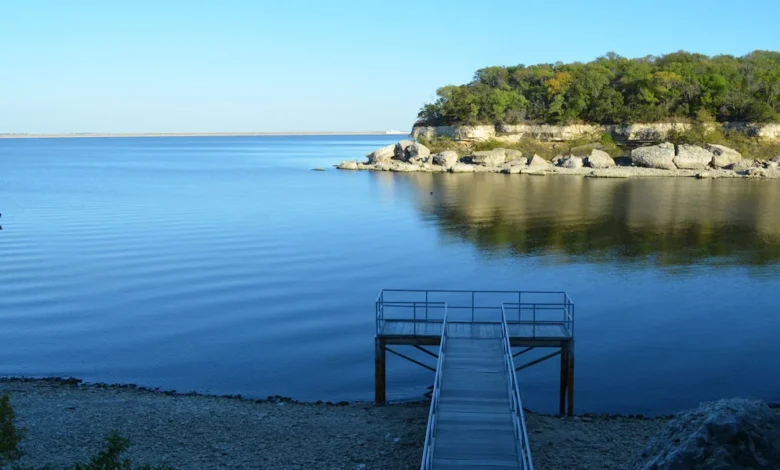
Lake Texoma is more than just a body of water—it’s a symbol of recreation, natural beauty, and regional identity for both Texas and Oklahoma. As one of the largest and most visited reservoirs in the United States, its name appears across thousands of websites, travel guides, fishing reports, and tourism resources. Yet despite its importance and widespread recognition, “Lake Texoma” is frequently written incorrectly, often appearing in lowercase or with inconsistent capitalization. These simple mistakes may seem harmless, but they can undermine credibility, weaken search visibility, and confuse readers about proper naming conventions. Understanding why lake texoma should be capitalized must always be capitalized is essential for writers, businesses, and content creators who want to present reliable and professional information.
Capitalization plays a powerful role in how readers interpret content. When geographic names like lake texoma should be capitalized are written incorrectly, they can appear unprofessional or hastily produced, leading audiences to distrust the information. In digital marketing environments—especially tourism, real estate, and local services—small details such as capitalization can strongly influence how search engines and readers judge the quality of content. A piece of writing may have great information, but if it contains obvious errors in something as fundamental as proper nouns, it becomes harder for audiences to take seriously. Because of this, ensuring correct capitalization is not just a matter of grammar; it is also a matter of brand image and authority.
There is also an educational value in exploring capitalization rules. Many people were never explicitly taught when to capitalize geographic terms, leading to common mistakes such as lowercasing the word “lake” in official names or incorrectly capitalizing only part of the phrase. Understanding these rules not only helps with Lake Texoma but also improves overall writing quality. By mastering how and why names of natural landmarks are capitalized, writers can apply this clarity to a wide range of content, from academic papers to marketing materials.
This article explores everything you need to know about capitalizing Lake Texoma correctly. From grammar rules to SEO benefits, from common mistakes to professional best practices, the following sections provide a thorough and practical guide. Whether you are a blogger writing about fishing spots, a real estate agent listing waterfront properties, or a business owner promoting tourism services, these guidelines will help you maintain accuracy and polish in all your writing.
2. Understanding Capitalization Rules for Geographic Names
Capitalization of geographic names is rooted in the fundamental principles of English grammar. A proper noun refers to a unique place, person, or thing and is always capitalized. This includes names of cities, lakes, rivers, mountains, parks, and other recognized geographic features. For example, we say Lake Michigan, Hudson River, and Rocky Mountains—each word is capitalized because the name represents a specific and identifiable landmark. When applied to Lake Texoma, both parts of the name must be capitalized: “Lake” because it begins the official name, and “Texoma” because it is the unique identifier of the location. These capital letters signal to readers that this is not just any lake, but a specific lake with a proper name.
Another key rule is that when a generic geographic term appears as part of an official name, it must be capitalized. This is why we write Lake Texoma, Mount Everest, and Grand Canyon, but when speaking generically—such as “the lake,” “the mountain,” or “the canyon”—the lowercase forms are used. The capitalization reflects whether we are using the term as a proper noun or a common noun. This distinction is simple but often overlooked in casual writing, especially online. Understanding this rule helps prevent mistakes like capitalizing “Lake” but leaving “texoma” lowercase, or capitalizing only the location while lowercasing the feature.
Writers often make capitalization errors because of inconsistent style guidelines, auto-correct issues, or lack of familiarity with location-based naming conventions. Some mistakenly believe that only the name itself (“Texoma”) requires capitalization, while the feature (“lake”) does not. Others rely on phone keyboards or casual writing habits that remove capitalization automatically. Regardless of the reason, these errors can accumulate across blogs, advertisements, and social media posts, creating confusion and reducing clarity. A foundational understanding of proper noun capitalization ensures consistency and accuracy across all writing formats and platforms.
Finally, major style guides—including AP Style, Chicago Manual of Style, and MLA—all agree on capitalization rules for geographic names. While these guides differ in punctuation and formatting standards, they unanimously instruct writers to capitalize both the generic geographic term and its specific descriptor when they form a complete proper name. This universal agreement reinforces the rule that “Lake Texoma”—never “lake texoma” or “Lake texoma”—is the correct, professional, and grammatically sound form.
3. Correct Usage Examples of “Lake Texoma”
Correct capitalization of lake texoma should be capitalized is easy to understand when viewed through examples. When used in a sentence as the subject, the name must always appear with both words capitalized: “Lake Texoma is one of the most popular freshwater destinations in the southern United States.” The same rule applies when it appears as the object of a sentence: “Families travel from all over the region to enjoy Lake Texoma’s campgrounds and beaches.” The important thing is that the phrase “Lake Texoma” remains intact as the full official name. Similarly, in lists, headings, or titles, both words must always be capitalized to maintain clarity and authority. These examples demonstrate how capitalization reinforces the name’s identity as a proper noun, ensuring consistency and professionalism in your writing.
There are situations where capitalization changes based on context. For instance, once Lake Texoma has been mentioned, writers may refer to it as “the lake,” in lowercase, because this is no longer being used as part of its official name. This is a standard rule across all geographic locations. You wouldn’t repeatedly write “the Lake” when referring back to Lake Michigan or Lake Tahoe. Instead, the lowercase form serves as a natural shorthand that maintains readability without compromising accuracy. The distinction helps writers vary sentence structure while keeping the content engaging and grammatically correct.
A unique nuance arises when distinguishing between Lake Texoma as a lake and Texoma as a region. The term “Texoma” can refer to the geographic area along the Texas-Oklahoma border, encompassing towns, communities, and regional attractions. In this context, “Texoma” is still capitalized, but “Lake Texoma” refers specifically to the reservoir itself. Writers must be mindful of these subtle differences, especially when creating travel guides, business listings, or marketing materials that may apply to the broader region as well as the lake.
To reinforce accuracy, it is helpful to reference major style guides. AP Style, commonly used by journalists, instructs writers to capitalize official geographic names and any defining features included in those names. The Chicago Manual of Style follows similar rules, ensuring consistency across academic and literary writing. MLA, typically used in educational contexts, also emphasizes capitalization of proper nouns in titles, sentence structures, and references. Because all reputable style guides agree on the rules for names like Lake Texoma, writers have a clear and reliable foundation for applying correct capitalization across all types of content.
4. Why Capitalizing Lake Texoma Matters
Correctly capitalizing Lake Texoma is essential for maintaining strong SEO performance. Search engines like Google evaluate content based on quality signals, including spelling, grammar, and proper use of proper nouns. Although search algorithms can technically read content regardless of capitalization, user behavior indicates that people trust and engage more with clean, polished writing. Pages with well-edited content often earn higher click-through rates, longer engagement times, and improved rankings over time. Additionally, users searching for Lake Texoma typically use the correct capitalization, and aligning your content with their search habits can improve relevance and keyword matching. In competitive niches like travel, fishing, tourism, and real estate, even small enhancements in professionalism can significantly impact online discoverability.
Capitalization also plays a major role in how your audience perceives your expertise. Businesses and writers who produce content about Lake Texoma—whether they are promoting cabin rentals, fishing charters, marinas, or local attractions—must maintain a high level of credibility to connect with customers. When readers encounter errors such as “lake texoma” in a marketing brochure or website header, they may subconsciously question the reliability of the information. By ensuring that Lake Texoma is always capitalized correctly, you send a subtle but powerful message that your brand values accuracy, professionalism, and attention to detail. This is especially important in competitive industries where trust directly influences conversion rates.
For academic writers, government agencies, and environmental researchers, capitalization accuracy is even more critical. Maps, legal documents, scientific studies, and public reports rely heavily on standardized naming conventions. A miscapitalized geographic name can create confusion or misinterpretation, particularly in official communications or technical materials. For example, a study examining water quality at “lake texoma” may appear less credible or even be considered erroneous due to improper naming. Ensuring correct capitalization in these contexts helps maintain authority, prevents miscommunication, and upholds professional standards.
Finally, real estate professionals working near Lake Texoma have an additional reason to use correct capitalization. Property listings, especially for waterfront homes or vacation rentals, must be clear, accurate, and optimized for search engines. A listing that mentions “lake texoma” instead of “Lake Texoma” risks appearing unpolished or careless. In such a competitive market, where buyers search for premium lakefront properties, details matter. Correct capitalization not only boosts the listing’s visibility but also reinforces the value and prestige associated with the lake itself.
5. Common Mistakes and How to Avoid Them
One of the most common mistakes is lowercasing “lake texoma” in titles or headers. Titles are highly visible and often serve as the first impression for readers and search engines. When a title begins with incorrect capitalization, it immediately signals unprofessionalism. For example, a headline like “best lake texoma fishing tips” appears sloppy and diminishes the authority of the content. Correcting it to “Best Lake Texoma Fishing Tips” not only improves readability but also strengthens SEO performance and user trust. Writers should make capitalization in titles a top priority, especially when producing content intended to rank on search engines or attract customers.
Another frequent error is writing “Lake texoma,” in which only the first word is capitalized. This mistake arises from auto-capitalization features on phones, laptops, or content management systems that automatically capitalize the first word of a sentence but not the rest. It can also stem from misunderstanding grammar rules, where writers incorrectly assume that only the geographic category (lake, river, park) requires capitalization. Both words must be capitalized because “Texoma” is the unique identifying name of the lake. Ensuring that both words are capitalized demonstrates a clear understanding of proper noun structure and strengthens content integrity.
Automation tools can also introduce capitalization inconsistencies. Some platforms automatically lowercase words in URLs, text boxes, or inline fields, leading writers to mistakenly copy those forms into visible content. To prevent this, writers should always double-check final drafts and avoid relying solely on automation. Tools like Grammarly, Hemingway Editor, or built-in spell-checkers can assist, but they are not perfect. Creating a habit of manually reviewing capitalization, especially for names of locations, helps maintain accuracy across different writing environments.
Finally, writers should establish internal rules for capitalization to prevent errors. Whether you’re managing a blog, business website, or collaborative content team, a simple style guide that states “Always capitalize Lake Texoma” can eliminate confusion. When everyone shares a consistent standard, content remains polished and professional, regardless of who writes it. This consistency enhances brand identity, improves readability, and ensures that all published materials convey the highest level of credibility.
6. Best Practices for Ensuring Consistent Capitalization
One effective way to maintain consistent capitalization is to create saved templates or frequently used text snippets that include correct forms of Lake Texoma. Writers who regularly produce travel guides, fishing reports, or tourism content can benefit from having ready-to-use templates for headlines, introductions, and listing descriptions. These templates act as a safety net, reducing the chances of typographical errors while speeding up the writing process. Even something as simple as saving proper forms to a note-taking app or document can reinforce muscle memory and ensure accuracy in future writing.
Businesses in the Lake Texoma region, such as rental agencies, tour operators, or hospitality providers, should incorporate capitalization guidelines into their brand standards. A small brand manual that specifies how to write Lake Texoma, Texoma region, or Texoma-area services ensures that all marketing materials remain consistent. Whether posting on social media, designing brochures, or updating websites, team members can refer to this guide to maintain uniformity. This not only strengthens brand identity but also enhances professionalism across every customer-facing platform. Consistent use of proper capitalization reflects a business that takes pride in its image and attention to detail.
Training writers and editors is equally important. Teams should hold occasional reviews or workshops to ensure that everyone understands the importance of capitalizing Lake Texoma correctly. Even simple tools—like checklists, proofreading guidelines, or pre-publish reviews—can dramatically reduce errors. Additionally, online grammar tools can help catch inconsistencies, but human review remains essential. By fostering a culture of accuracy and attention to detail, organizations and writers can maintain high editorial standards and avoid common capitalization pitfalls.
Finally, creating a personalized style sheet can help individual writers maintain consistency, especially when writing large volumes of content. A style sheet can include preferred spellings, capitalization rules, formatting styles, and examples of correct and incorrect usage. Keeping this resource accessible during writing sessions helps eliminate guesswork and ensures that all references to Lake Texoma are accurate. Over time, the correct capitalization becomes second nature, improving the clarity and professionalism of all written materials.
7. Conclusion
Capitalizing Lake Texoma correctly is more than a matter of grammar—it’s an essential practice for maintaining clarity, professionalism, and authority in writing. Whether crafting travel guides, marketing materials, academic papers, or business listings, proper capitalization ensures that your content appears polished and trustworthy. Missteps such as writing “lake texoma” or “Lake texoma” may seem small, but they can diminish credibility, disrupt readability, and signal carelessness to readers and search engines. By mastering the rules of proper noun capitalization and applying them consistently, writers can elevate the quality of their work and strengthen their online presence.
Consistency is key. Whether you’re writing for a personal blog or a large organization, establishing clear capitalization guidelines ensures that every piece of content meets professional standards. Tools, templates, and style sheets can help reinforce accuracy, but ultimately it is the writer’s attention to detail that maintains credibility. Understanding the difference between official names and generic terms—such as when to use “Lake Texoma” versus “the lake”—adds nuance and clarity to your writing. This precision benefits both your readers and your brand.
Capitalizing Lake Texoma appropriately also reflects respect for the place itself. As a beloved landmark shared by Texas and Oklahoma, Lake Texoma deserves accurate representation in writing. Whether used in tourism, real estate, or environmental studies, the name carries significance and identity. Ensuring that it is always capitalized correctly honors its status as a distinct and meaningful location.
In the end, the simple act of writing “Lake Texoma” with proper capitalization enhances readability, strengthens SEO, and reinforces professionalism. By incorporating these rules into your writing habits, you can ensure that every reference to this remarkable destination is accurate, respectful, and effective.